Emergency Hail Storm Damage? We guarantee a 2-hour on-site inspection! Click to Call.
2026 Residential Roofing Guide
Residential Roof Types in Oklahoma City
Understanding the most common residential roof types can help you make an informed decision that balances durability, energy efficiency, and curb appeal.
Guides
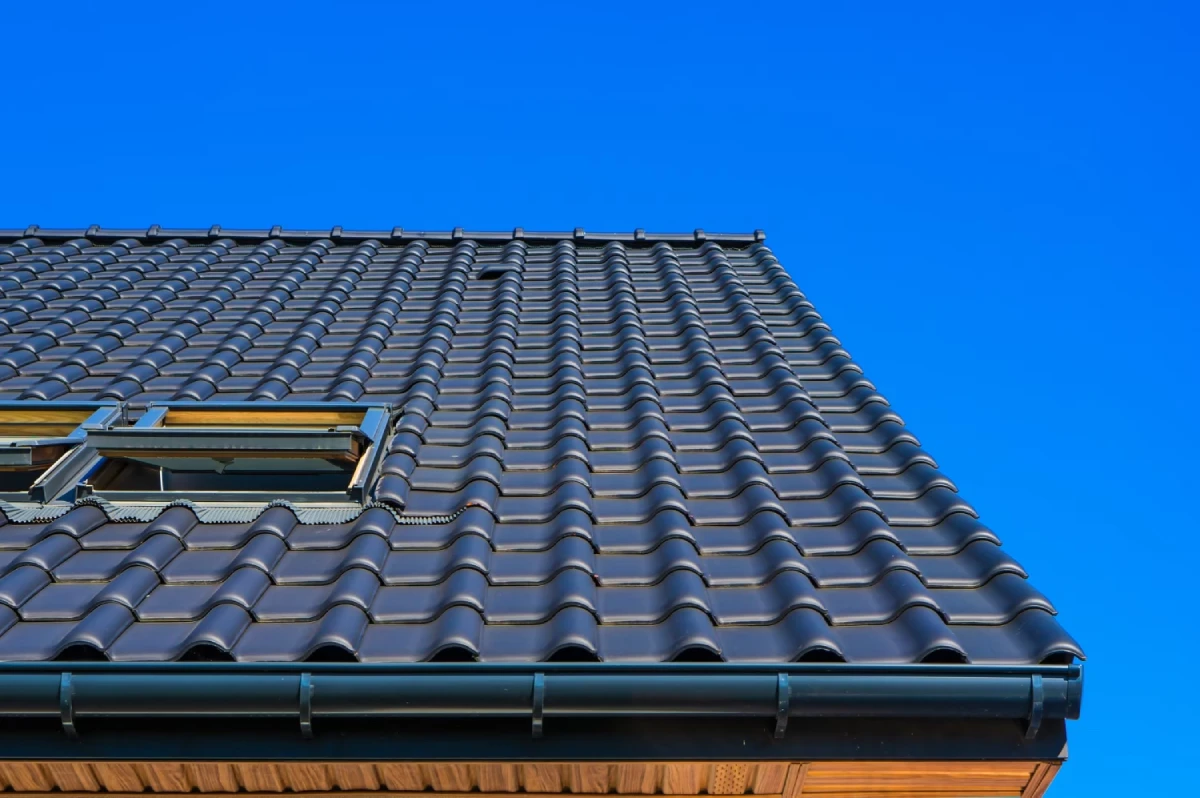
Most Common Roof Shapes on Oklahoma Homes
Oklahoma homes feature a variety of residential roof types designed to handle the state’s strong winds, heavy rain, and hailstorms while complementing different architectural styles. From simple and cost-effective designs to more complex and durable structures, each roof shape offers unique advantages in terms of drainage, stability, attic space, and overall curb appeal. Understanding these common roof shapes can help homeowners choose a design that not only enhances their home’s appearance but also improves long-term performance and weather resistance.Oklahoma homes feature a variety of residential roof types designed to handle the state’s strong winds, heavy rain, and hailstorms while complementing different architectural styles. From simple and cost-effective designs to more complex and durable structures, each roof shape offers unique advantages in terms of drainage, stability, attic space, and overall curb appeal. Understanding these common roof shapes can help homeowners choose a design that not only enhances their home’s appearance but also improves long-term performance and weather resistance.
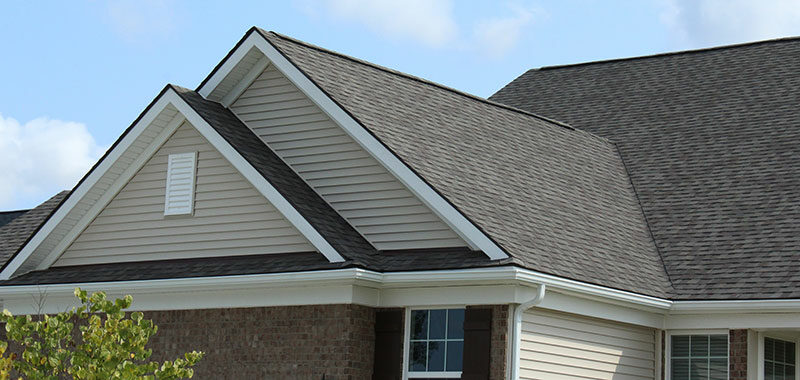
The classic triangular shape you see on most American homes. Two sloping sides meet at a peak, forming an “A” shape.
Pros
- Excellent water and snow runoff
- Easy to build and affordable
- Great attic ventilation and space
Cons
- Overhangs can catch wind uplift in storms
- Vulnerable to high winds if not braced properly
Best for
Most Oklahoma homes are ideal for neighborhoods across Edmond, Norman, and Moore where moderate winds and heavy rain are common.
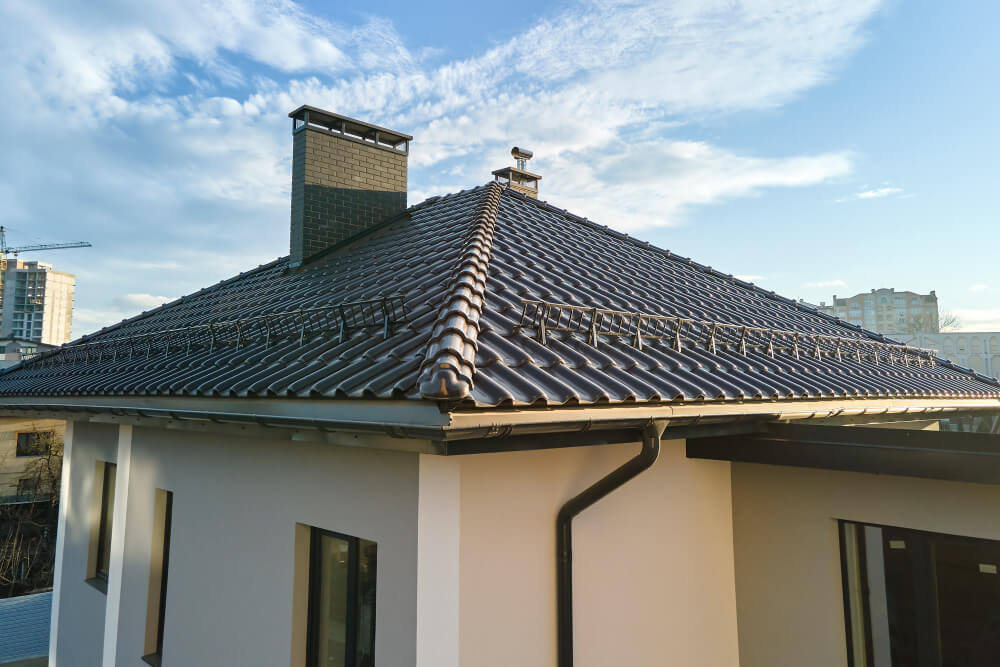
All four sides slope downward toward the walls, creating a more stable structure. No flat gable ends exposed to wind.
Pros
- Consistent eave overhangs on all sides
- Self-bracing design adds structural strength
- Superior wind resistance — critical for Oklahoma tornado season
Cons
- Less attic space than gable roofs
- More complex and expensive to build
- More seams mean more potential leak points
Best for
Oklahoma homeowners in high-wind zones. Popular in Yukon, Mustang, and newer OKC subdivisions built to modern wind codes.
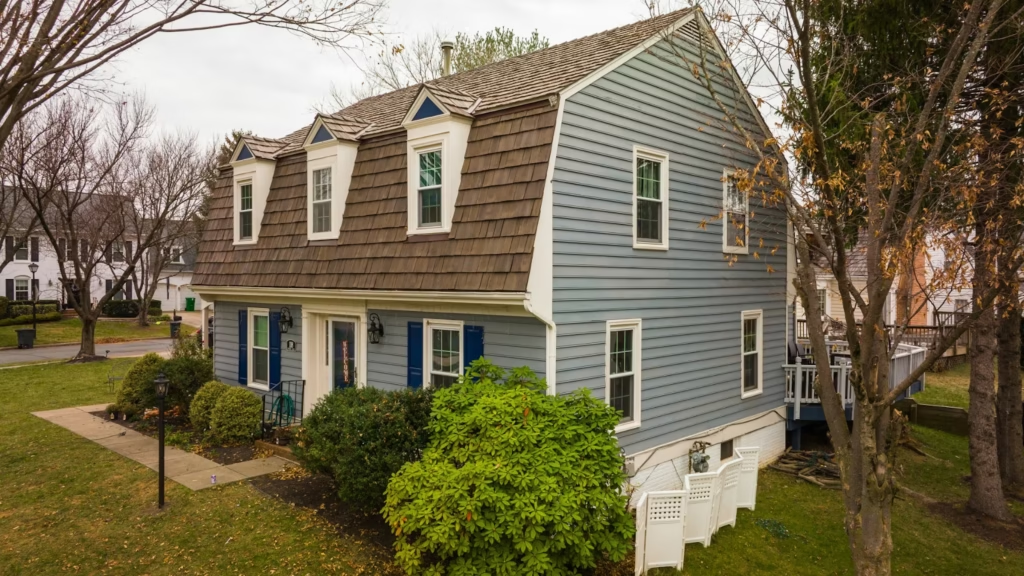
Gambrel roofs have two slopes on each side (like a barn), while mansard roofs have four double-sloped sides. Both maximize upper-floor living space.
Pros
- Distinctive, classic curb appeal
- Allow for dormers and extra windows
- Maximum usable attic/upper floor space
Cons
- Higher construction cost
- More complex maintenance
- Not ideal for heavy snow or extreme wind
Best for
Homeowners wanting a colonial or French-inspired look. Less common in Oklahoma but found in upscale neighborhoods and custom builds.
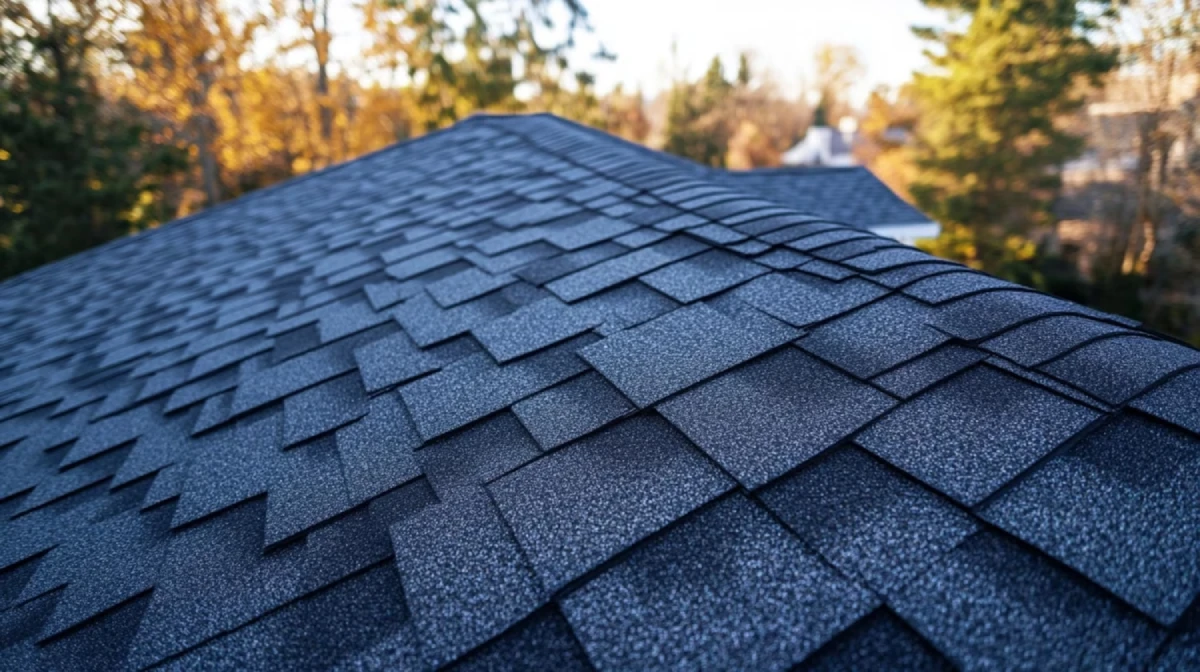
Types of Roofing Materials for Residential Homes
For each material, MT Roofing OKC covers what it is, its expected lifespan, cost tier, advantages, disadvantages, and Oklahoma-specific recommendations to help property owners choose the right roofing solution for their needs and budget. Learn more about us!
Best Value
Asphalt shingles cover roughly 80% of American homes, and even more in Oklahoma.
Lifespan
15–30+ years
Cost
$
Maintenance
Low
Curb Appeal
Good
Storm Performance
Good–Excellent (Class 4 impact-rated options available)
Energy Efficiency
Moderate (cool-roof shingles available)
Pros
- Most affordable upfront cost
- Wide range of colors and styles
- Easy to find qualified installers in OKC
- Class 4 impact-rated options for insurance discounts
Cons
- Shorter lifespan than metal or tile
- Can crack in extreme Oklahoma heat cycles
- Susceptible to algae in humid conditions
What we recommend
In Oklahoma, we recommend architectural shingles with Class 4 impact ratings. Many insurers offer 15–28% premium discounts for impact-resistant shingles, a real money-saver in our hail-prone climate.
They come in three tiers:
3-Tab Shingles
Flat, uniform look. Lightest and most affordable. Typical lifespan: 15–20 years.
Architectural (Dimensional)
Layered, textured appearance with better wind ratings. Lifespan: 25–30 years. The most popular choice in OKC.
Designer/Luxury
Mimic slate or cedar shake. Heaviest-duty wind and impact ratings. Lifespan: 30+ years.
Best for Longevity & Energy
Metal roofing has surged in popularity across Oklahoma thanks to its durability in severe weather.
Lifespan
40–70+ years
Cost
$$–$$$
Maintenance
Very Low
Curb Appeal
Excellent
Storm Performance
Excellent (up to 140+ mph wind ratings)
Energy Efficiency
Excellent (reflects solar heat, reducing cooling costs 20–40%)
Pros
- Superior wind and hail resistance
- Recyclable and environmentally friendly
- Longest lifespan of common residential materials
- Lightweight — no structural reinforcement needed
- Energy-efficient — reflects heat in Oklahoma summers
Cons
- Higher upfront cost than asphalt
- Denting possible with very large hail
- Can be noisy in heavy rain without proper insulation
- Fewer local installers experienced with standing seam
What we recommend
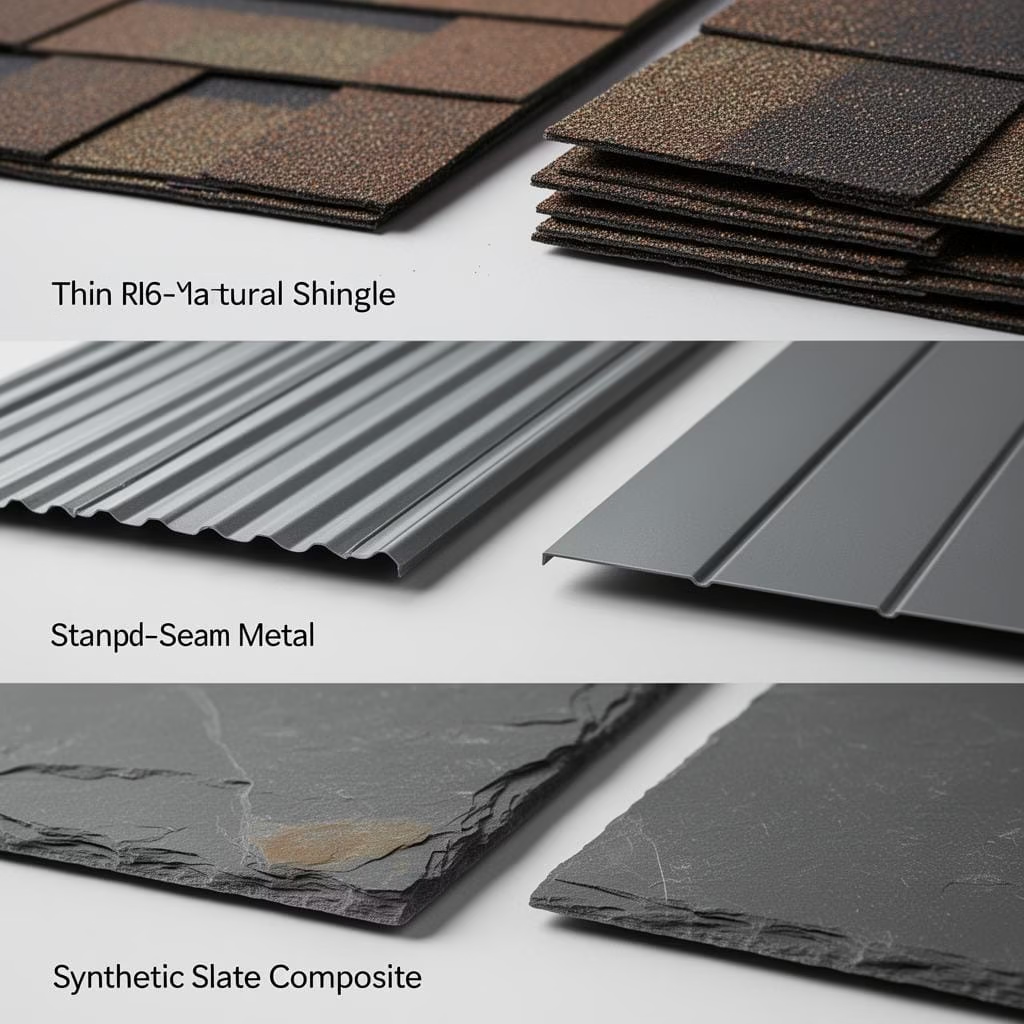
Oklahoma’s intense summer heat makes metal roofing especially smart. The reflective surface can reduce attic temperatures by 30–40°F, cutting cooling bills significantly. Standing seam is the premium choice; stone-coated steel is ideal for homeowners who want metal performance with a traditional shingle look.
Three main profiles dominate the residential market:
Standing Seam
Raised interlocking seams. Premium look, maximum weather protection. Most popular for modern homes.
Stone-Coated Steel
Metal panels coated with stone granules to mimic traditional shingles or tile. Combines metal durability with classic aesthetics.
Corrugated Panels
Wavy or ribbed panels. Most affordable metal option. Common on farmhouses and agricultural-style homes.
Best for Longevity
Tile roofs offer a distinctive Mediterranean, Spanish, or Southwestern aesthetic. They’re extremely long-lasting but come with important structural considerations.
Lifespan
50–100+ years
Cost
$$$
Maintenance
Low (individual tiles replaceable)
Curb Appeal
Excellent
Storm Performance
Good (excellent wind resistance, but tiles can crack from direct hail impact)
Energy Efficiency
Excellent (natural thermal mass regulates temperature)
Pros
- Fireproof and rot-proof
- Timeless curb appeal increases home value
- Exceptional longevity — often outlasts the home itself
- Natural air circulation under tiles improves insulation
Cons
- Expensive installation
- Individual tiles can crack from large hail
- Limited installer availability in Oklahoma
- Very heavy — requires structural reinforcement
What we recommend
Tile roofing is less common in the OKC metro area but is found in upscale custom homes. If you’re considering tile, confirm your home’s structure can support the weight (often 2–3x heavier than asphalt).
Tile Roofing Types
Clay Tiles
Natural clay fired at high temperatures. Classic terracotta look. Extremely durable but heavy.
Concrete Tiles
Molded concrete that can mimic clay, slate, or wood shake. More affordable than clay with similar longevity.
Premium Choice
True slate is the pinnacle of roofing — a natural stone that can last over a century. Synthetic slate offers a similar look at a fraction of the weight and cost.
Lifespan
50–100+ years (natural) / 30–50 years (synthetic)
Cost
$$$–$$$$
Maintenance
Very Low
Curb Appeal
Premium
Storm Performance
Good–Excellent
Energy Efficiency
Good
Pros
- Unmatched aesthetic prestige
- Natural slate can last 100+ years
- Excellent fire resistance
- Synthetic options are much lighter and more affordable
Cons
- Natural slate is extremely expensive
- Synthetic options vary widely in quality
- Limited local expertise for natural slate installation
- Very heavy — structural reinforcement required for natural
What we recommend
For Oklahoma homeowners who love the slate look, synthetic slate is the practical choice. It handles our hail and wind conditions better than natural slate and doesn’t require the structural overhaul.
Slate & Synthetic Slate Types
Natural Slate
Quarried stone tiles. Unmatched beauty and 100+ year lifespan. Extremely heavy and expensive
Synthetic Slate
Engineered from rubber, plastic, or polymer composites. Mimics the look of real slate at 25–50% of the weight and cost.
Best Aesthetic
Wood roofing offers a warm, natural aesthetic that ages to a beautiful silver-gray patina. Cedar is the most common species used.
Lifespan
20–40 years
Cost
$$$–$$$$
Maintenance
High
Curb Appeal
Premium
Storm Performance
Moderate
Energy Efficiency
Good (natural insulation properties)
Pros
- Good natural insulation
- Beautiful, natural appearance
- Eco-friendly and biodegradable
- Can be treated for fire and pest resistance
Cons
- Shorter lifespan than metal or tile
- High maintenance — requires regular treatment
- Fire risk without treatment (some HOAs prohibit)
- Vulnerable to rot, mold, and insects in humid climates
What we recommend
Wood roofing is uncommon in Oklahoma due to our humidity, hail risk, and fire codes in many municipalities. If you love the wood look, consider stone-coated metal or designer asphalt shingles that mimic cedar shake.
Wood Shingles & Shakes Types
Wood Shingles
Machine-cut for a smooth, uniform appearance. Thinner than shakes.
Wood Shakes
Hand-split for a rough, rustic texture. Thicker and more weather-resistant than shingles.
Best for Additions
Even if your home has a pitched roof, you may have flat or low-slope sections over porches, additions, garages, or sunrooms.
Lifespan
15–30 years
Cost
$–$$
Maintenance
Moderate
Curb Appeal
N/A (not visible on most homes)
Storm Performance
Good (wind-resistant when properly adhered)
Energy Efficiency
Good–Excellent (especially TPO)
Pros
- Easy to inspect and maintain
- Affordable for low-slope applications
- TPO offers excellent energy savings
- EPDM has excellent UV resistance
Cons
- Seams can fail over time
- Limited aesthetic options
- Shorter lifespan than pitched-roof materials
- Requires proper drainage — ponding water is the #1 enemy
What we recommend
In Oklahoma, we see flat roof sections most often on mid-century homes and newer additions. TPO is our top recommendation for its heat reflectivity in our brutal summers. Make sure your flat sections have proper drainage to handle our heavy spring rains.
Here are the three main options:
TPO (Thermoplastic Polyolefin)
White reflective membrane. Energy-efficient and increasingly popular. Good for hot climates.
EPDM (Rubber Roofing)
Black synthetic rubber membrane. Proven track record, easy repairs. Most affordable flat roof option.
Modified Bitumen
Asphalt-based rolled roofing with added polymers. Torch-applied or self-adhering. Good puncture resistance.
How Your Roof Type Affects Oklahoma Insurance Premiums
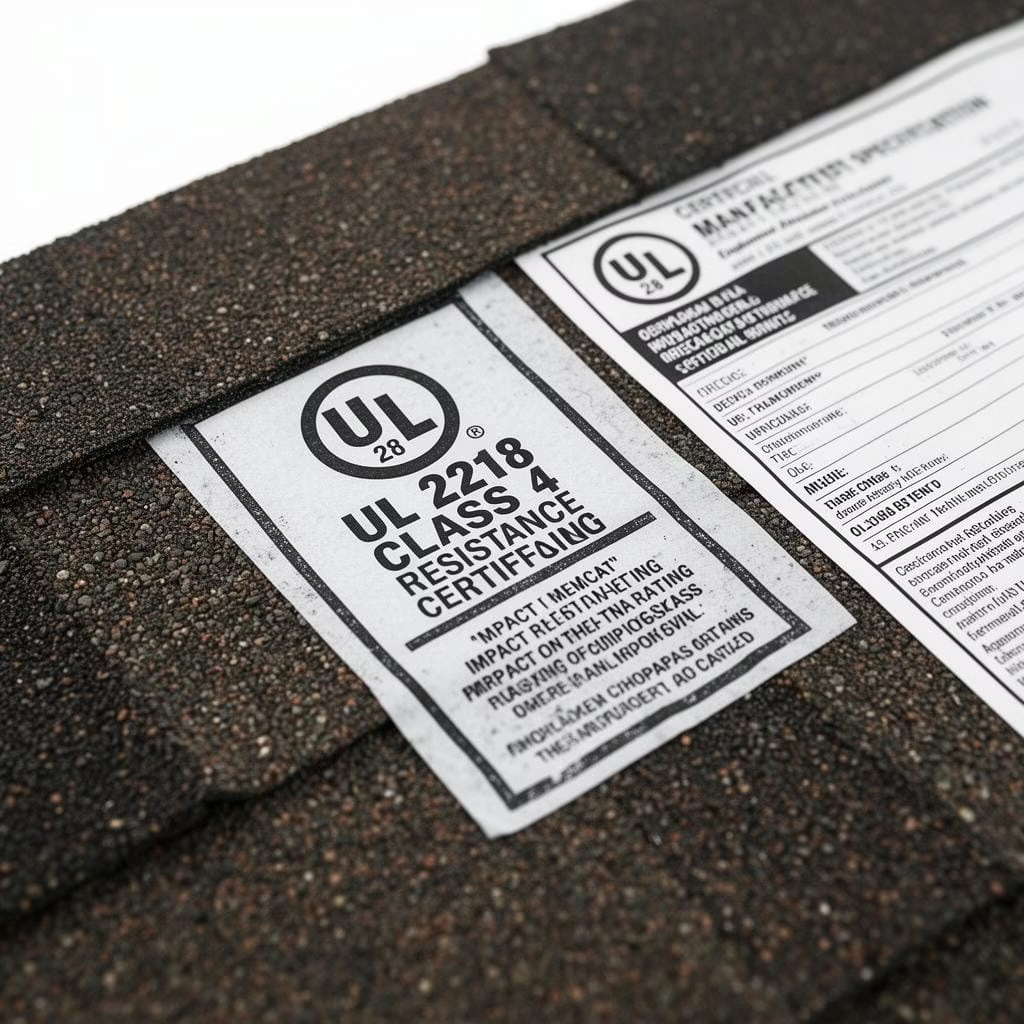
In Oklahoma, roofing isn’t just about protection; it’s about what you pay every month. The right material can save you thousands in premiums over the life of your roof. Contact us now!
Class 4 Impact-Rated Shingles
Typical Premium Discount
15–28%
Notes
Most Oklahoma insurers offer this. Pays for itself in 3–5 years.
Standing Seam Metal Roofing
Typical Premium Discount
10–35%
Notes
Varies by carrier. Superior hail and wind performance drives savings.
Stone-Coated Steel
Typical Premium Discount
10–25%
Notes
Qualifies for impact-resistant discounts with most carriers.
New Roof (any code-compliant material)
Typical Premium Discount
5–15%
Notes
Simply replacing an aging roof can lower premiums, especially post-claim.
How to Choose the Right Roof Type for Your Home
Climate & Weather
Oklahoma's hail, tornadoes, extreme heat, and ice storms demand impact-rated materials. Metal and Class 4 shingles are the strongest performers in our climate.
Budget & Ownership Timeline
Planning to stay 20+ years? Metal or tile's higher upfront cost pays off. Selling in 5–10 years? Architectural shingles deliver the best value and curb appeal per dollar.
HOA & Architectural Style
Check your HOA covenants before choosing. Stone-coated metal and architectural shingles satisfy most HOA requirements while upgrading performance.
Energy Efficiency & Comfort
Oklahoma summers push cooling bills high. Metal roofing and TPO flat roof membranes reflect solar heat most effectively, reducing attic temperatures 30–40°F.
Frequently Asked Questions
What is the most durable roof type for Oklahoma?
Metal roofing (particularly standing seam) is the most durable option for Oklahoma homes, with lifespans of 40–70+ years and excellent resistance to our hail, high winds, and extreme heat. For homeowners on a tighter budget, architectural asphalt shingles with Class 4 impact ratings offer strong durability at a more accessible price point.
What is the cheapest roof type for a house in Oklahoma?
3-tab asphalt shingles are the most affordable roofing material, both in material cost and installation. However, their shorter lifespan (15–20 years) means you may replace them more often. Architectural shingles cost slightly more but last significantly longer — often the better value over time.
Is metal roofing worth the cost in Oklahoma?
For many Oklahoma homeowners, absolutely. Metal roofing’s superior hail resistance can mean fewer insurance claims, potential premium discounts, and 40–70+ years of protection. The energy savings from heat reflection (20–40% reduction in cooling costs) help offset the higher upfront investment. If you plan to stay in your home 10+ years, metal often pays for itself.
Can I switch from shingles to metal roofing?
Yes — and it’s a common upgrade in the OKC metro. In most cases, metal roofing can be installed over one layer of existing shingles (saving on tear-off costs) or after a full tear-off for the cleanest installation. A structural inspection ensures your home can handle the transition, though metal is actually lighter than most people expect.
What roof type is best for hail protection?
Impact-rated (Class 4) asphalt shingles and standing-seam metal roofing offer the best hail protection for Oklahoma homes. Class 4 shingles are tested to withstand 2-inch steel ball impacts, while standing seam metal’s interlocking panels resist denting from all but the largest hailstones. Both can qualify for insurance discounts.
still unsure?
Talk to a Local Roofing Specialist Before You Decide.
Every home is different. Get a free, no-pressure hail impact assessment from a local expert who’ll help you compare materials, costs, and insurance options side by side. Learn more about Oklahoma City from their official government website and Wikipedia page.
- Free Estimates
- Same-Day Response
- Insurance Experts