

Emergency Hail Storm Damage? We guarantee a 2-hour on-site inspection! Click to Call.
How Can You Identify Hidden Storm Damage on a Roof Before Leaks Appear

Hidden storm damage can weaken a roof long before water stains or active leaks appear inside a home. After severe weather, homeowners should look for missing or lifted shingles, damaged flashing, dents from hail, loose roofing materials, and signs of moisture in the attic. A professional roof inspection can help identify these problems early, document visible damage, and determine whether repairs are needed before the next storm.
Not every damaged roof shows obvious signs from the ground. Some problems affect the protective layers beneath the shingles or create small openings around roof penetrations. Knowing what to look for can help you respond sooner and avoid overlooking damage that may worsen with additional rain or wind.
What Does Hidden Storm Damage Look Like?
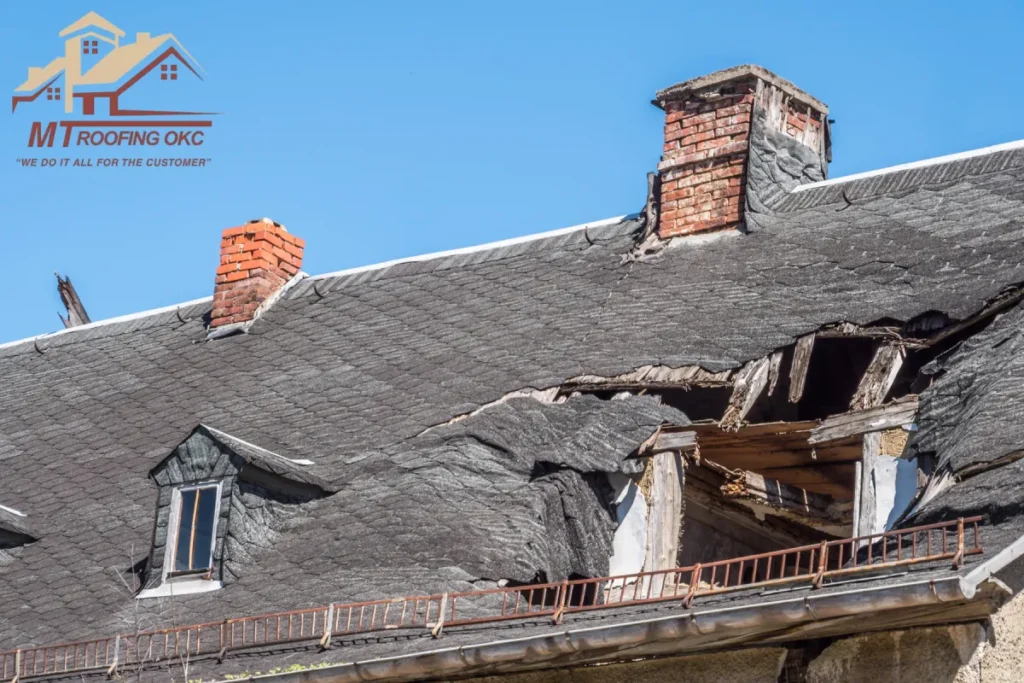
Hidden storm damage occurs when severe weather affects roofing materials or components without immediately creating an obvious leak. Wind can loosen shingles, hail can bruise or fracture roofing materials, and flying debris can damage vulnerable areas around the roof.
A roof may appear intact while its protective features have already been compromised. The following signs deserve attention after a major storm:
- Lifted or creased shingles: Strong winds can lift shingles and weaken the adhesive seal that helps keep them in place.
- Missing or displaced materials: Gaps in the roofing surface can expose the underlying layers to rain.
- Loose or damaged flashing: Flashing around chimneys, vents, and roof transitions can bend, separate, or lose its seal.
- Hail-related damage: Hail can leave dents, cracks, or areas where protective granules have been knocked loose.
- Damaged gutters and roof edges: Dents, loose sections, and displaced components may indicate that the property experienced significant wind or hail.
- Signs of moisture: Damp insulation, discoloration, or a musty odor in the attic may point to water intrusion.
These signs do not automatically mean the entire roof needs replacement. The extent of the damage, the roofing material, and the condition of the affected areas all influence the appropriate next step.
How Can You Check for Roof Damage After a Storm?
You can begin with a ground-level visual check and an inspection of accessible interior spaces. However, avoid climbing onto the roof or using a ladder to examine storm damage. Wet surfaces, loose shingles, and unstable roofing materials can create serious fall hazards.
Use these five steps to look for possible warning signs safely.
1. Look for Shingles on the Ground
After strong winds, check your yard, driveway, and surrounding areas for pieces of shingles or roofing materials. Missing shingles can leave sections of the roof exposed, while torn fragments may indicate that wind has damaged the roofing surface.
Keep in mind that finding debris does not reveal the full extent of the problem. Some shingles may remain attached even after their seals have weakened.
2. Examine the Roof From the Ground
From a safe location, look for uneven roof lines, missing shingles, exposed areas, or materials that appear lifted or out of place. Binoculars can help you view the roof without climbing.
Pay attention to roof edges, ridges, and sections around chimneys or vents. These areas can be vulnerable to wind because they contain transitions, exposed edges, or additional components.
3. Check Gutters and Downspouts
Inspect the gutters for visible dents, detached sections, or unusual amounts of roofing granules. Asphalt shingles naturally shed some granules over time, so granules alone cannot confirm hail damage.
However, fresh damage to gutters or downspouts, especially when combined with other storm-related signs, can help establish where a closer inspection may be necessary.
4. Inspect the Attic From a Safe Access Point
If your attic is safely accessible, look for damp insulation, water stains, discoloration on roof decking, or daylight coming through areas where it should not be visible. Do not step onto unsupported ceiling materials or disturb wet electrical components.
Also remember that moisture can come from sources other than roof leaks, including condensation or plumbing problems. A qualified inspection can help determine the likely cause.
5. Arrange a Professional Roof Inspection
If you notice suspicious signs or your property experienced severe weather, arrange an inspection with a qualified roofing professional. A thorough assessment can identify damaged shingles, compromised flashing, and other problems that may not be visible from the ground.
For homeowners seeking a roofing contractor in Mustang, OK, the goal should be to obtain a clear explanation of the findings, supporting photographs where appropriate, and practical recommendations based on the roof’s actual condition.
What Types of Storm Damage Can Remain Hidden?
Different weather conditions affect roofing systems in different ways. Identifying the likely type of damage helps explain why a roof can look normal while still requiring attention.
| Type of storm damage | What may happen | Possible warning signs |
| Wind damage | Wind lifts shingles or weakens their adhesive seals. | Creased shingles, loose edges, missing materials |
| Hail damage | Hail impacts roofing materials and may damage their protective surface. | Dents, fractures, granule loss, or bruised areas |
| Flying debris | Branches or other objects strike the roof. | Cracks, punctures, damaged shingles, or bent flashing |
| Heavy rainfall | Water enters through existing openings or compromised seals. | Attic moisture, ceiling stains, damp insulation |
| Wind-driven rain | Rain is pushed into vulnerable joints or roof transitions. | Moisture near vents, chimneys, valleys, or flashing |
These warning signs are not definitive diagnoses. For example, granule loss may result from normal aging rather than a recent hailstorm. A professional should evaluate the pattern, severity, and location of the damage before recommending repairs.
Why Can a Roof Leak Weeks After a Storm?
A roof leak may not develop immediately after severe weather because water does not always travel directly from the damaged area to the ceiling. It can move along roof decking, rafters, insulation, or other building components before becoming visible inside the home.
A small opening may also allow water to enter only during certain conditions, such as heavy rainfall or strong winds that push water beneath roofing materials. As moisture accumulates, it can eventually produce visible staining, damp insulation, peeling paint, or a musty smell.
The delay can make it difficult to connect the leak to the original storm. That is one reason documenting the roof’s condition soon after severe weather is helpful. Photographs, inspection notes, and records of when the storm occurred may support conversations with your insurance provider.
Is Storm Damage Different From Normal Roof Wear?
Yes. Storm damage is generally associated with a specific weather event, while normal wear develops gradually as roofing materials age and experience everyday exposure. However, the two can overlap. An older roof may be more vulnerable to severe weather, and an inspection may identify both pre-existing deterioration and recent damage.
| Condition | Possible characteristics | Recommended next step |
| Possible wind damage | Lifted, creased, or missing shingles following strong winds | Have the affected areas inspected |
| Possible hail damage | Impact marks or damaged roofing surfaces following hail | Request a professional assessment |
| General wear | Gradual fading, aging, or deterioration across the roof | Evaluate the roof’s overall condition |
| Possible water intrusion | Damp insulation, stains, or moisture around roof openings | Identify the source and address the cause |
The timing of the damage is important, but it does not prove its cause by itself. A qualified roofing professional can explain what the inspection reveals, while your insurance provider determines coverage according to your policy and claim requirements.
How Does MT Roofing OKC Help Identify Hidden Storm Damage?
A careful inspection should do more than identify obvious problems. It should explain what was found, where the damage is located, and what action may be appropriate.
MT Roofing OKC provides roof inspections and storm damage restoration services for property owners in Oklahoma City and surrounding communities. The company emphasizes thorough assessments, clear communication, and documentation that can help homeowners understand the condition of their roofing systems.
Comprehensive Storm Damage Assessment
An inspection may include an evaluation of accessible roofing areas, shingles, flashing, roof edges, and other components affected by severe weather. The findings can help distinguish visible storm-related concerns from ordinary wear or issues that need further investigation.
Clear Documentation and Insurance Support
Photographs and written findings can help homeowners explain observed damage when speaking with their insurance provider. MT Roofing OKC assists with storm damage documentation and insurance coordination. However, insurance coverage and claim decisions remain subject to the policy and the insurer’s review.
A Dedicated On-Site Project Manager
A Dedicated On-Site Project Manager gives homeowners a clear point of contact during the roofing project. This role helps keep communication organized, clarify project questions, and coordinate the work as it progresses.
Rather than leaving homeowners to guess what happens next, the project manager can explain the relevant steps and help address concerns as they arise.
25-Year Guarantee and Lifetime Maintenance
MT Roofing OKC also highlights its 25-Year Guarantee and Lifetime Maintenance offering. These terms are important to understand before committing to a roofing project. Ask for the written warranty or guarantee details, including what is covered, any exclusions, how maintenance is provided, and whether specific conditions apply.
Clear written terms help homeowners understand the protection being offered and what they can expect after installation.
For anyone comparing a roofing contractor in Mustang, look for a company that explains inspection findings, provides clear documentation, and answers questions without pressuring you into unnecessary work.
What Should You Do If You Suspect Storm Damage?
If you believe a storm has damaged your roof, take these steps:
- Prioritize safety. Stay off the roof and avoid touching loose materials or damaged electrical components.
- Document visible signs. Take photographs from the ground and record the date of the storm.
- Check accessible interior areas. Look for moisture or staining without entering unsafe spaces.
- Schedule an inspection. Ask a qualified roofing professional to assess the roof and explain the findings.
- Review your insurance policy. Contact your insurer about reporting requirements, deadlines, and the documentation needed for a potential claim.
- Keep records. Save inspection reports, photographs, estimates, correspondence, and relevant receipts.
Prompt action can help you understand the roof’s condition before another storm creates additional problems. A Mustang roofing contractor can help document the damage, explain the findings, and identify what repairs may be necessary.
People Also Ask
Can a roof have storm damage without leaking?
Yes. Wind can loosen shingles, and hail can damage roofing materials without immediately allowing water into the home. A leak may appear later, depending on the location and severity of the damage.
How soon should I inspect my roof after a storm?
Check for visible warning signs as soon as it is safe to do so. If you suspect damage, arrange a professional inspection promptly rather than waiting for a leak to develop.
Does hail damage always require a roof replacement?
No. The appropriate response depends on the type, extent, and location of the damage, along with the roof’s overall condition. Some situations may call for repairs, while others may justify a larger restoration project.
Will homeowners insurance cover storm damage?
Coverage depends on your specific policy, the cause of the damage, applicable exclusions, and the insurer’s assessment. Review your policy and contact your insurance provider to understand the requirements for your situation.
What if I cannot see any damage from the ground?
Some storm damage is difficult to identify without a closer assessment. If severe weather affected your property, a professional inspection can help determine whether the roof needs attention.
Schedule a Storm Damage Roof Inspection
A roof does not have to leak to have a problem. Lifted shingles, damaged flashing, hail impacts, and hidden moisture can all warrant closer attention after severe weather. Identifying these concerns early helps you understand your options and make informed decisions about repairs.
MT Roofing OKC provides storm damage inspections, roofing assessments, and restoration support for homeowners in Oklahoma City and surrounding areas. A roofing contractor familiar with storm-related roof concerns can help you assess the condition of your roof and explain the next steps based on the findings.
Protect your home with a clear assessment, straightforward communication, and a plan based on your roof’s actual condition. Contact us now to get a free inspection!