Emergency Hail Storm Damage? We guarantee a 2-hour on-site inspection! Click to Call.
What’s the Difference Between a Roof Repair and a Full Roof Replacement

A roof repair fixes localized issues like isolated leaks, missing shingles, or damaged flashing on an otherwise healthy roof surface. In contrast, a full roof replacement involves completely tearing off all old materials down to the bare wood decking and installing a brand-new, structurally sound roofing system from scratch. Deciding between them depends on your roof’s age, the total surface area of the damage, and whether the underlying structure has sustained water damage.
When a sudden leak develops or you discover an active water stain spreading across your ceiling, it is natural to feel a major wave of stress. Your home represents your biggest financial asset, and the roof is the primary defense protecting your family and your belongings from the elements. Homeowners facing these issues are immediately met with a critical question: is it possible to patch the specific area that is leaking, or is it time to invest in a complete reset?
Choosing the wrong path can either waste your hard-earned money on temporary fixes or force you into a major capital expense before it is truly necessary. A successful home maintenance plan relies on understanding how these two approaches operate, what they cost in terms of property disruption, and how they impact the long-term health of your home. Taking the time to analyze the distinct differences between a quick patch and a full structural tear-off will save you from future structural damage and unexpected expenses down the road.
Comparing Roof Repairs and Full Replacements
Deciding between patching a specific area or replacing the entire system depends on the age of your roof, the extent of the damage, and your long-term property goals. A targeted patch focuses entirely on short-term containment, while a full structural reset addresses the long-term health, safety, and ventilation profile of the entire property.
At-a-Glance Comparison Table
| Feature | Roof Repair | Full Roof Replacement |
| Project Scope | Localized (targeting specific leak points or shingles) | Comprehensive (complete tear-off of all layers) |
| Average Lifespan | Temporary extension (1–5 years for the fixed zone) | Permanent reset (20–50 years depending on material) |
| Upfront Cost | Lower (economical for minor, sudden damage) | Higher (substantial long-term capital investment) |
| Hidden Damage Detection | Limited to the immediate area being fixed | Complete (reveals hidden wood rot across the entire deck) |
| Property Value Impact | Minimal; maintains current condition | High; significantly boosts equity and curb appeal |
When to Choose a Roof Repair
Vetting your home’s structural needs requires a realistic look at the current overall condition of your shingles. Working as an established roofing contractor in Oklahoma City, OK, our team frequently meets homeowners who are stuck in the middle of this exact dilemma. A targeted repair is the correct, cost-effective choice under the following conditions:
- The Damage is Highly Localized: The problem is confined to a single area, such as high winds ripping off a small section of shingles or a tree branch striking one edge of the roof.
- The Roof is Relatively New: The entire roofing system is less than 10 to 12 years old, the remaining shingles show minimal granule loss, and the overall physical structure remains pliable and strong.
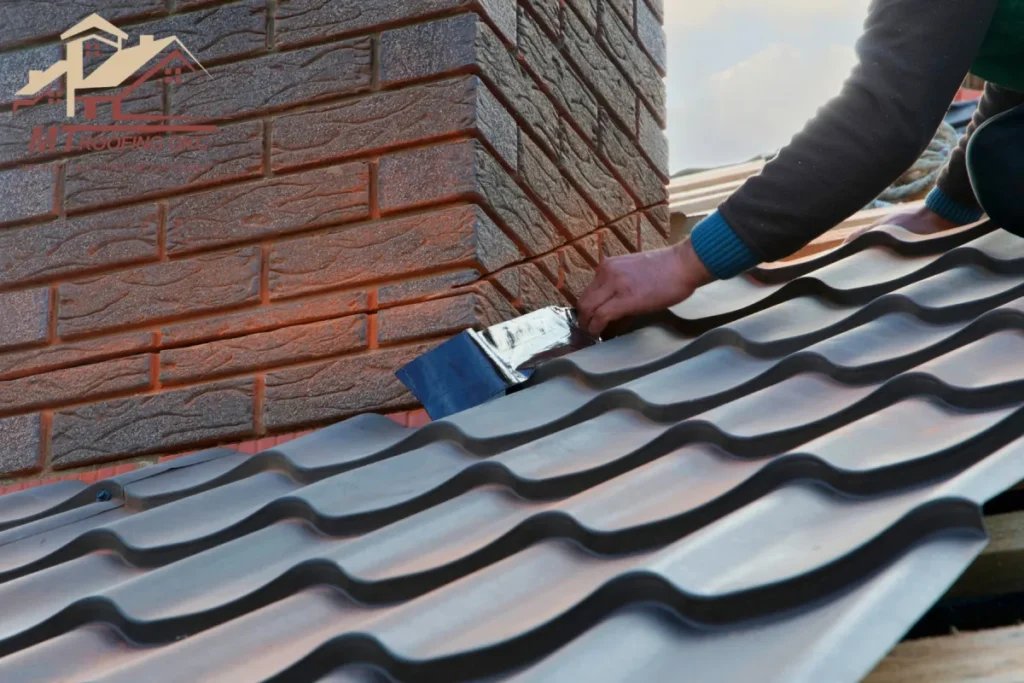
- The Leak Stems from an Isolated Component: The water intrusion is caused by a specific, easily accessible failure point, such as a cracked rubber plumbing boot or a rusted piece of chimney flashing.
- Immediate Budgetary Constraints: Immediate containment of a leak is absolutely necessary to protect your home’s interior sheetrock, but a full capital expense isn’t currently possible.
In these limited situations, a targeted fix resolves the immediate vulnerability without wasting perfectly good surrounding materials. A skilled technician can swap out a few damaged shingles or reseal a loose seam in a couple of hours. However, this path assumes that the underlying wood structure remains completely dry and free from hidden mold or decay.
When a Full Replacement is Mandatory
There are clear tipping points where attempting to patch an old or heavily damaged roof is simply throwing good money after bad. A comprehensive replacement becomes the only safe path forward under these specific circumstances:
- Widespread Storm or Hail Damage: Severe weather has compromised multiple roof facets, fracturing shingle mats or breaking structural seals across the entire system.
- The System Has Reached Its Operational End: The shingles are curling, losing significant granule surfacing, showing signs of widespread bald spots, or are past their 20-to-25-year lifespan.
- Deep Structural Rot: Widespread moisture has seeped beneath the underlayment over a long period, rotting out the plywood decking sheets underneath.
- The Roof Has Multiple Existing Layers: The home already has two layers of roofing installed from past work, making it structurally impossible and against code to add any more patches or overlays.
When you reach this stage, a complete tear-off is the only permanent solution that guarantees long-term protection. Trying to spot-repair a roof that is naturally wearing out is like putting a small patch on a tire that has gone completely bald. Working with an experienced roofing contractor in OKC allows you to strip away all the old, failing layers and evaluate the hidden health of your home’s skeletal framing.
Technical Specifications and Roofing Features
To understand why a replacement is so comprehensive compared to a repair, you need to understand the individual parts that form a reliable, modern roof. A roof is not just a collection of shingles; it is a highly engineered, multi-layered system designed to breathe and shed water simultaneously.
Roof Decking
The structural plywood or oriented strand board (OSB) sheets nailed directly onto your home’s rafters that serve as the solid foundation for all roofing materials.
Roofing Underlayment
A secondary water-resistant or waterproof barrier (typically synthetic or felt) rolled out over the wood decking to shield it from moisture intrusion.
Flashing Components
Custom-bent metal strips installed at critical roof intersections, valleys, chimneys, and walls to direct running water away from potential seam vulnerabilities.
Attic Ventilation System
A balanced network of intake vents (soffits) and exhaust vents (ridge or box vents) that regulates attic temperature and moisture to prevent shingle blistering and ice dams.
Applying our Core Framework to Solve This
At MT Roofing OKC, we know that dealing with home exterior damage can feel completely overwhelming, especially after a major seasonal storm event. We are a permanent fixture in the community, focused on building local trust first by taking a completely transparent approach to property care. Our team believes in relying on honest, plain-language inspections rather than intense closing scripts or storm-chaser panic. We tell you the plain truth about your property so you can make a smart, stress-free decision.
Our company provides comprehensive residential and commercial roofing solutions tailored directly to the regional weather challenges faced by families in Oklahoma City. We do not offer quick, superficial fixes when structural integrity is at stake. Instead, our process centers on providing thorough, high-quality roof inspections to identify hidden storm damage, hail fractures, and ventilation imbalances that are completely invisible from the driveway.
When a property requires an entire structural reset, we focus on providing Full-Scale Roof Replacements that are built with premium, storm-resilient materials. We believe that “we do it all for the customer,” which is why we handle the hard work from start to finish. Every single replacement project is managed by a dedicated on-site project manager who directly oversees the crew, ensures total installation accuracy, and maintains a completely spotless jobsite when the work is done.
Furthermore, we remove the confusion of dealing with insurance adjusters by providing hands-on Insurance Coordination and Documentation Support. We stand as your personal customer advocate, managing the intricate details of your insurance claim documentation and delivering a durable, quality-first roof replacement. We back this dedication to workmanship by leveraging our 27 years of experience to offer our signature 25-Year Guarantee and Lifetime Maintenance program. This absolute commitment ensures the ultimate Safety & Long-Term Durability for your home, giving you confidence through every season. If you need a reliable roofer in OKC, our local team is always here to guide you step-by-step.
Debunking the Myth: “A New Roof Can Just Be Layered Over the Old One to Save Money”
One of the most persistent misconceptions in the home improvement industry is that installing a second layer of shingles directly on top of an existing, damaged roof (known as an overlay) is a smart, cost-effective alternative to a full tear-off replacement. Homeowners are often enticed by this option because it reduces upfront labor costs and trash disposal fees.
In reality, an overlay is a dangerous shortcut that frequently leads to severe structural failure. Layering new shingles over old ones traps intense summer heat between the materials, causing the new shingles to blister, curl, and degrade at double their normal rate. Furthermore, adding a second layer traps a massive amount of extra weight on your rafters and completely hides existing wood rot or deck sagging from view. Most premium shingle manufacturers will instantly void their warranties if their products are installed over an old roof layer, leaving you entirely unprotected when a failure occurs.
During a recent structural assessment for a property owner in Oklahoma City, we found that a double-layered roof had completely rotted out the structural decking underneath because a hidden leak was trapped between the shingle sets for years. Tearing off the old system completely is the only way to inspect the wood foundation and guarantee long-term safety.
People Also Ask
Q: How can I tell if my roof damage requires a full replacement or just a simple repair?
A: A localized repair is suitable if the issue is confined to a specific spot, like a few wind-torn shingles or a damaged plumbing boot on a relatively new roof. However, if your roof is over 15 to 20 years old, shows widespread granule loss, or has suffered extensive hail fractures across multiple facets, a full replacement is required to ensure structural safety.
Q: Will my homeowners insurance cover a targeted repair or a full roof replacement?
A: Insurers generally cover either path if the damage was caused by a sudden, unpreventable peril, such as high winds or a severe hail storm common in Oklahoma City. If the leak or wear is due to old age, lack of regular maintenance, or natural degradation, the cost will typically be an out-of-pocket home improvement expense.
Q: Can a professional roofer patch a roof that is already showing signs of advanced aging?
A: While it is physically possible to apply a patch to an old roof to stop an immediate emergency leak, it is not recommended as a long-term solution. Old shingles become brittle, meaning the physical process of installing a patch can crack the surrounding worn materials, often creating new leak points down the road.
Secure Your Home with a Lasting Structural Investment
Managing roof damage shouldn’t involve stressful guesswork or high-pressure sales scripts. At MT Roofing OKC, we treat your home with the same care, honesty, and thorough attention we would give our own families. We are an Oklahoma company rooted right here in the community, and we will be here to stand behind our workmanship long after the storm season is over.
Not sure if your roof sustained damage or if a leak can be fixed with a simple patch? We will inspect it at no charge and tell you exactly what we found without any sales pressure. Contact our local team today to schedule your free roof inspection. Let our family take care of yours!